Drunken Noodles Near Me: 100 Best Places to Satisfy Your Craving
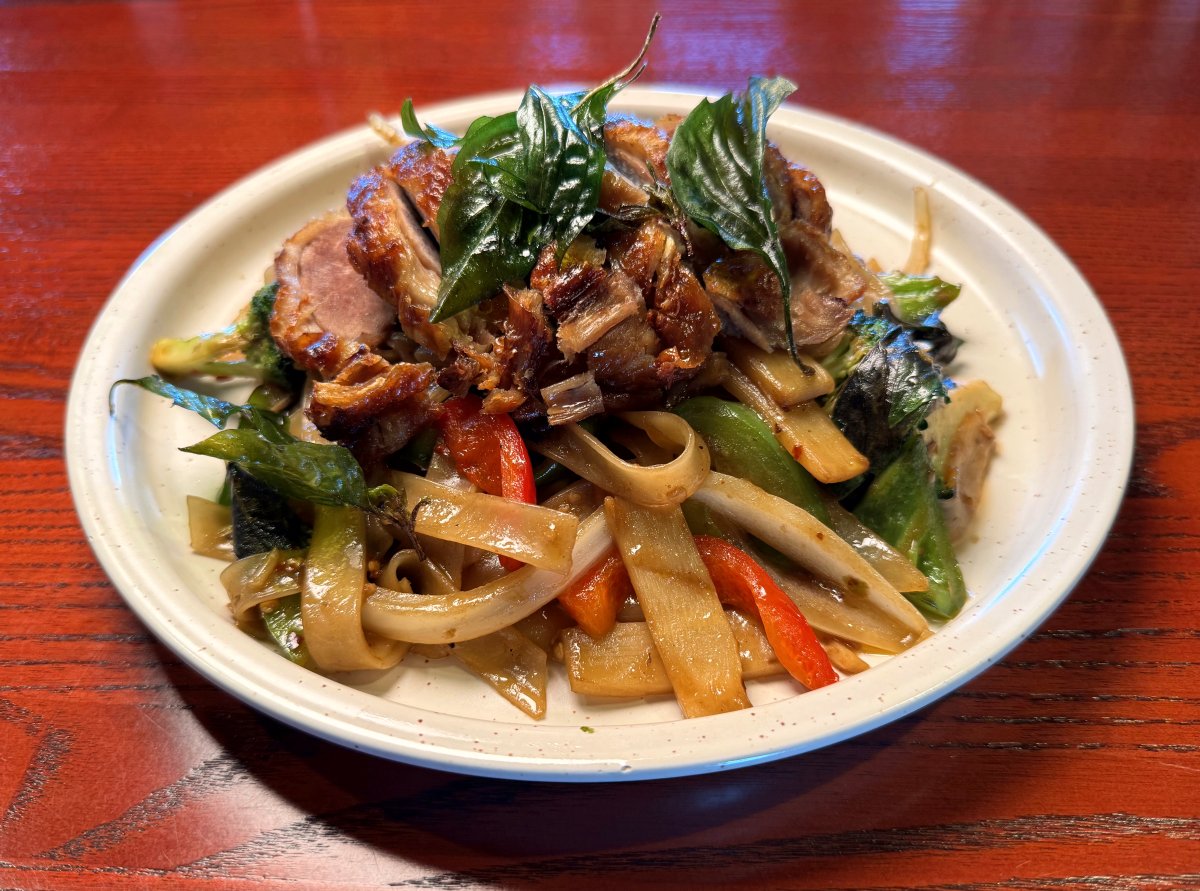
There are certain dishes that trigger a very specific kind of hunger. Drunken noodle is one of them. You do not casually think about it. You want it. You want the glossy, smoky noodles, the bite of chili, the basil that hits late, and that mix of sweet, salty, and heat that makes one forkful feel bigger than it is. When people search for “Drunken Noodles Near Me,” they are usually not browsing. They are hunting.
That urgency makes this dish unusually hard to judge from a menu alone. A restaurant can have all the right words printed in neat type and still send out a plate of limp, pale noodles with no wok char, no basil aroma, and vegetables cut so thick they steam the whole thing into softness. On the other hand, a modest neighborhood Thai spot with plain takeout containers and a cluttered counter can turn out a stunning drunken noodle that tastes alive from the first bite.
A credible “100 best places” guide depends on where you are, what style you prefer, and what kind of Thai restaurant your city supports. In New York, Los Angeles, Chicago, Houston, Seattle, Atlanta, or a smaller suburban strip mall corridor, the best answer will change block by block. That is why the smartest way to approach this craving is not to pretend there is one universal ranking carved in stone. It is to know how to spot the restaurants most likely to satisfy it, quickly and accurately, and then narrow your own hundred contenders to the ones that deserve repeat orders.
Why drunken noodle is harder to get right than it looks
Drunken noodle, often called pad kee mao, seems straightforward on paper. Wide rice noodles. Protein if you want it. Vegetables. Garlic. Chili. Basil. Sauce. Heat. Toss it in a wok and send it out. In practice, it is one of the easiest Thai noodle dishes to flatten into mediocrity.
The problem starts with timing. Wide rice noodles can go from supple to gummy in less time than it takes to answer the expo line. Vegetables release moisture. Sauces separate if the heat is too low. Basil bruises or burns depending on when it goes in. Chili needs enough contact with hot oil to bloom, but not so much that the dish turns bitter. The best drunken noodle has tension in it. The noodles stay tender without collapsing. The vegetables keep a little snap. The sauce clings rather than puddles. A little char shows up at the edges. It tastes messy in a controlled way.
That balance gets even harder with delivery. Some dishes survive a ten-minute ride better than others. Drunken noodle can hold up surprisingly well if the cook pushes enough heat into the wok and does not oversauce it. If the kitchen starts with a wetter, gentler version, the steam trapped in the container finishes the job in the worst possible way. I have had excellent dine-in drunken noodle turn merely decent by the time it reached my front door, and I have had sturdy, well-fired versions travel twenty minutes and still taste like a proper dinner.
What the best places understand
A strong Thai restaurant does not treat drunken noodle as an afterthought between pad thai and fried rice. It respects the dish’s aggression. This is not food that should taste timid. Even mild versions need depth. The basil should https://www.google.com/maps?cid=10337779433515689724 read clearly. The garlic should matter. The heat level should feel like a real choice, not a decorative label.
If you are trying to separate the best from the forgettable, pay attention to five markers:
- The noodles have visible wok character, not just brown sauce.
- The basil is aromatic and distinct, not missing or overwhelmed.
- The vegetables are cooked through but still textured.
- The spice level tastes built into the dish, not dumped on top.
- The sauce coats the noodles without pooling at the bottom.
Those details sound small until you line up three takeout orders from different restaurants and taste them side by side. Then the difference becomes obvious. One will feel heavy and sweet. One will feel one-note and salty. The good one will keep changing as you eat, first savory, then herbal, then spicy, then faintly smoky.
Searching “Drunken Noodles Near Me” the smart way
Search results are useful, but they are not neutral. They favor proximity, volume of reviews, sponsored placement, and broad popularity, which does not always align with kitchen skill. A place can dominate local apps because it is open late, packages food neatly, and has a broad menu. That may or may not mean it cooks a memorable Drunken Noodle.
A better search starts with a little skepticism. Look beyond the first star rating. Read recent comments, especially the ones that mention drunken noodle by name rather than the restaurant in general. You want clues about noodle texture, spice consistency, portion size, and whether the dish tastes fresh or flat. Photos help, but only when you know what to look for. Rich color can signal good wok sauce, or it can mean the cook leaned too hard on sweet soy. The noodles should look slick, not swampy. Basil should be visible. The protein should not be buried under sauce.
Here are the most reliable ways to narrow the field fast:
- Search the dish name, not just “Thai food,” and check recent photo results.
- Read the lowest and highest reviews for the dish to spot consistent strengths or flaws.
- Compare dine-in comments with delivery comments, because some kitchens travel better than others.
- Look for restaurants that let you customize spice level and protein clearly.
- Order the same way twice from two different places before you crown a favorite.
That last point matters. People often decide after one order, but drunken noodle is a dish where kitchen variance shows up. A Friday night rush can expose whether a restaurant really controls the wok or just gets by when the ticket rail is light.
The phrase “100 best places” means something different in every city
If you live in a major metro area, you may genuinely have a pool of one hundred worthwhile options within a practical driving radius. In smaller cities, “best” may mean ten strong contenders and a long tail of decent but uneven places. Suburbs are their own category. Some suburban Thai restaurants are deeply underrated because rent is lower, dining rooms are simpler, and loyal regulars keep them busy without much internet buzz.
Los Angeles might give you regional Thai specialists, old-school family spots, vegan Thai kitchens, and late-night noodle houses that all make distinct versions of drunken noodle. Houston might surprise you with strip mall restaurants where the wok work is excellent and the spice levels are not diluted for broad appeal. In Chicago, weather alone changes the equation. A place that is perfect for dine-in in February may not be the best delivery choice during traffic-heavy dinner hours. New York adds a different challenge, speed. High turnover can keep noodles fresh, but compressed kitchens sometimes mean inconsistency if the line is overloaded.
The “100 best places” you are really seeking are the top candidates within your own geography, budget, and tolerance for heat. Some will be destination meals. Others will be fifteen-minute lifesavers on a rainy Tuesday. Both count.
Not all drunken noodle styles are trying to do the same thing
This is where arguments start, usually over takeout containers. One person wants maximum basil and fresh chili. Another wants more sweetness and soft onions. Someone else expects a drier, hotter plate with strong garlic and broad noodle sheets carrying a little char. These are not always wrong expectations. They are just different house styles.
Some kitchens build a darker sauce profile, heavier on soy and caramelized depth. Others keep it brighter and more herbal. Some use plenty of bell pepper and baby corn, which adds crunch and sweetness but can bulk up the dish if overdone. Others keep the vegetables spare so the noodles stay central. Protein changes the whole feel. Chicken soaks sauce and stays familiar. Beef can bring richer savoriness but becomes chewy if overcooked. Shrimp works when cooked carefully, but one extra minute turns it into a distraction. Tofu is excellent in the right kitchen, especially when it is seared enough to hold texture.
A useful local guide should respect these variations instead of pretending there is one orthodox standard. The best place for you may be the one that matches your preferred style, not the one with the loudest reputation.
How to tell if a restaurant is likely to be good before you order
Menus reveal more than most people realize. A focused Thai menu often signals confidence. A giant pan-Asian menu that stretches from sushi to lo mein to teriyaki to pad thai can still be competent, but it usually lowers the odds that drunken noodle is a house strength. Breadth is not a crime, but specialized repetition tends to produce better wok rhythm.
Look at how the restaurant writes the dish. If it calls it pad kee mao as well as drunken noodle, that is often a good sign, though not a guarantee. If spice levels are explained with some care, even better. If the menu notes Thai basil or fresh chili, that suggests the kitchen understands what drives the dish’s identity. On the delivery apps, study the add-ons. A kitchen that offers sensible substitutions, extra basil, extra protein, or noodle adjustments usually thinks about how people actually eat the dish.
Hours matter too. Late-night Thai can be glorious, but after about 9:30 p.m. In many markets, some kitchens shift toward speed over finesse. If the craving hits late, order from places known for volume and consistency, not from quiet rooms that may be cooking with a half-closed line and tired burners.
Delivery versus dine-in, the gap can be huge
This dish exposes the delivery question better than almost any noodle order. Fresh from the wok, drunken noodle can feel loose, glossy, and layered. Twenty minutes later, even an excellent version tightens. That does not mean you should not order it to-go. It means you should choose strategically.
If you live close to the restaurant, you can get away with a more delicate version. If you are farther away, favor places whose noodles look slightly firmer in photos and whose reviews mention that the food “arrives hot” or “still has texture.” Those comments matter. Packaging matters too, although restaurants rarely advertise it. A vented container or a less tightly packed box can preserve texture better than a sealed steam bath.
There is also a simple at-home fix that many regulars use without making a fuss about it. If your takeout arrives a little clumped, a fast toss in a hot skillet for a minute or two revives it. Not every diner wants to do that, and you should not have to. Still, for delivery, it can rescue a good order from the slump that happens on the ride over.
Price tells part of the story, but not the important part
Drunken noodle usually lives in the comfortable middle of a Thai menu. In many cities, you will see it priced anywhere from around $12 to $22 depending on location, protein, and local cost structure. Seafood and beef tend to push it higher. Downtown rent pushes everything higher. None of that automatically improves the dish.
Some of the best versions come from unassuming spots where labor is skilled and décor is irrelevant. Some expensive Thai restaurants absolutely earn their prices with stronger ingredients, careful balance, and polished consistency. The point is not to chase cheap or expensive. It is to chase execution. A $14 plate cooked hard in a real wok will beat a $21 plate that tastes like sweet soy and steam.
Portion size complicates value. Big boxes can look generous but underdeliver if half the volume is oversized vegetables. A more modest portion made with proper heat and balance often satisfies more fully. With noodle dishes, heft is not the same as quality.
Red flags that usually predict disappointment
The strongest warning sign is a watery sauce. If review photos show liquid collecting in corners of the container, expect a soggy ride. Another warning sign is uniform color with no contrast. Good drunken noodle usually has visual variation, dark seared edges, green basil, bright chili flecks, visible vegetables, and noodles that do not look varnished into sameness.
Language in reviews can also tell you a lot. “Bland,” “too sweet,” “mushy,” and “all onions” are common failure modes. So is inconsistency. If half the reviews praise the heat and half say there was none, the kitchen may not control spice well from shift to shift. That matters with this dish because heat is part of structure, not just sensation.
A final red flag is a restaurant that gets famous for one thing unrelated to noodles, then coasts. A popular cocktail bar with Thai food might be a great place to socialize, but if you are pursuing a serious Drunken Noodle, atmosphere should not outrank the wok.
If you are building your own local top 100, rank by use case
A practical top 100 is not one long, tidy ladder from first to last. Real diners make different choices for different nights. The best lunch special version may not be the best dine-in date-night version. The spiciest may not be the best for delivery. The place with the strongest tofu version may lag behind on beef. Once you start thinking that way, your search gets much sharper.
A useful private ranking might separate the restaurant you trust for consistency from the one you save for serious heat. It might identify the spot with the best lunch value and the one worth driving twenty-five minutes for on a weekend. That sounds less dramatic than a universal “best of” list, but it is far more honest, and it reflects how people actually eat.
In my experience, the most reliable favorites are not always the flashiest. They are the restaurants that hit the balance three orders in a row. They know how to keep the noodles springy. They use basil assertively. They season with confidence. They understand that drunken noodle should feel energetic, not sleepy.
Making the most of your next order
When you have narrowed down your options, order with enough specificity to help the kitchen and yourself. If you like heat, say so plainly. If you prefer Thai hot, know that this can mean very different things from one restaurant to another. If you are unsure, start one level below your ego. Drunken noodle should be exciting, not punishing. If you want tofu, ask whether it is fried or soft. That choice changes the dish more than people expect. If vegetables matter to you, check the standard mix. Bell peppers, broccoli, onions, carrots, baby corn, and green beans all behave differently in the wok.
Pairing matters too, especially if you are ordering for a group. A crisp papaya salad, a cooling iced tea, or a lighter curry can complement the dish well. But if your only goal is to satisfy the craving, keep the focus where it belongs. A great drunken noodle does not need much support.
The real test is whether you think about it again tomorrow
The best places stay with you. You remember the basil. You remember the way the noodles folded without tearing. You remember that little scrape of char and the moment the chili caught up. That is the standard worth using when you scan your local map for “Drunken Noodles Near Me.”
A hundred good places may exist within reach, or maybe only a handful do. Either way, the path to finding them is the same. Ignore hype when the plate does not back it up. Respect restaurants that treat the dish seriously. Judge texture before portion size, balance before sugar, and repeat performance before one lucky order.
When you find the right spot, you stop searching quite so hard. Not because your curiosity is gone, but because the craving finally has an address.
Nakhon Luang Thai Kitchen
Address: 805 Village Center Dr, Colorado Springs, CO 80919
Phone number: +17195315175
FAQ About Drunken Noodles Near Me
What makes it drunken noodles?
Drunken noodles, or Pad Kee Mao, get their name from the Thai word khi mao (meaning "drunkard"). They contain no alcohol. The name comes from the idea that the dish is a popular late-night meal to cure a hangover or a great food to eat with a cold beer.
What is the difference between pad see ew and drunken noodles?
While both Pad See Ew and Drunken Noodles use the same wide rice noodles, Pad See Ew is a mild, sweet-savory dish made with dark soy sauce and Chinese broccoli, whereas Drunken Noodles (Pad Kee Mao) are fiery, garlicky, and herbaceous with fresh chilies and Thai basil.
What are traditional drunken noodles?
Traditional drunken noodles, known as Pad Kee Mao in Thai, are a fiery, savory street food stir-fry made with wide flat rice noodles, fresh garlic, lots of hot chilies, meat or tofu, and fragrant holy basil. Despite the name, they contain no alcohol; the dish is traditionally eaten late at night or as a hangover cure because the intense spice helps clear the head.